Retail Architectural Photography for L'AGENCE's Madison Avenue Flagship
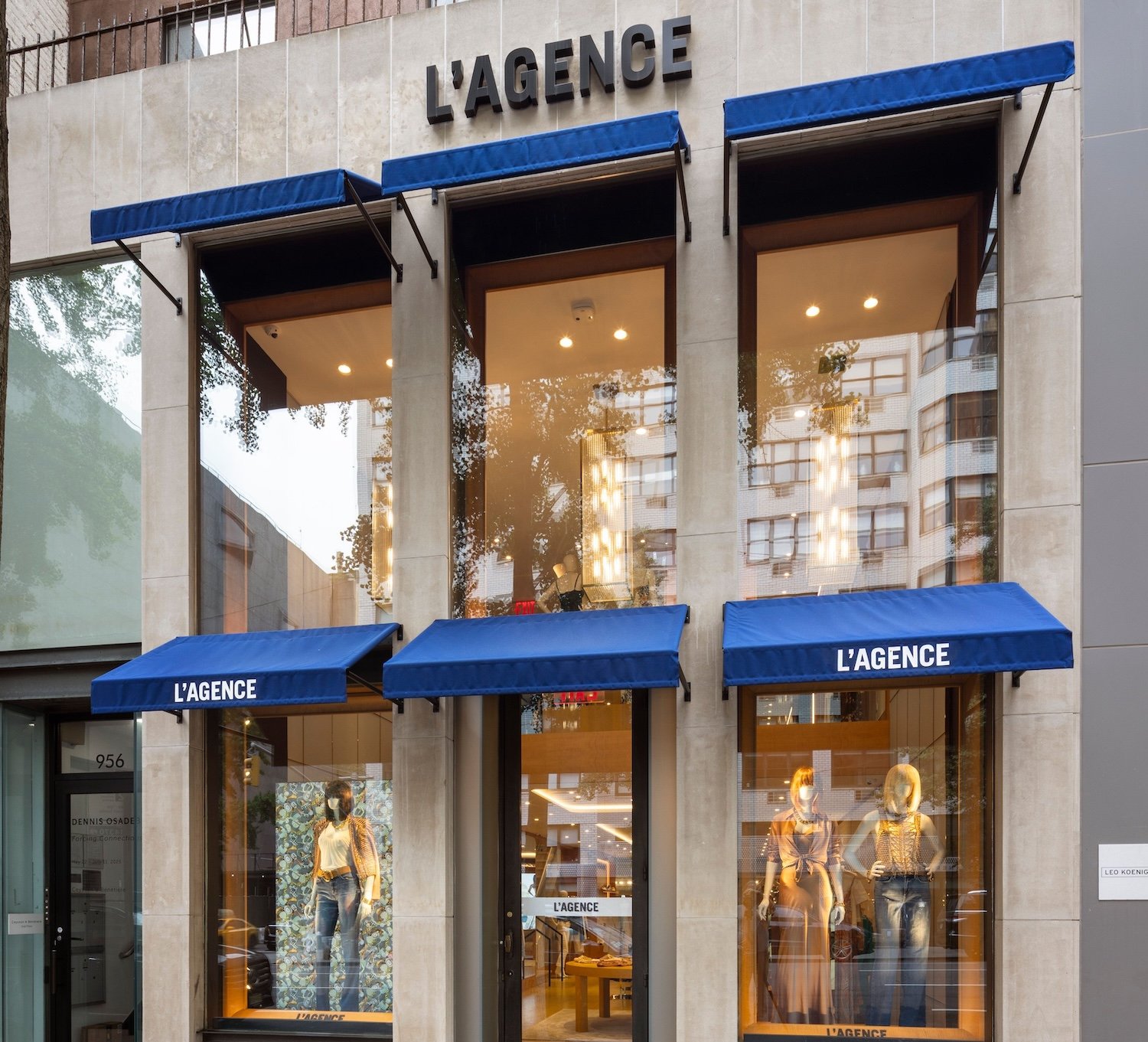
When Paul Bennett calls about a project, I know it's going to be interesting.
I've known Paul since he was my structures professor at Columbia University, and he became one of my earliest clients after I started my photography business. Over the years, we've photographed projects across New York, Los Angeles, Atlanta, and Montreal, so by the time L'AGENCE's Madison Avenue flagship came along, there wasn't much explanation needed. Paul knew I understood what he wanted to communicate, and I knew there would be thoughtful design decisions worth capturing.
This wasn't simply another retail store. It was the flagship location for L'AGENCE, a luxury fashion brand known for blending a relaxed California lifestyle with sophisticated Parisian style. Paul Bennett Architects designed the boutique to feel welcoming, refined, and residential—more like an elegant dressing room than a traditional retail environment. That vision shaped every photograph.
The challenge wasn't simply documenting the completed project. It was translating the architect's design intent while working inside a fully operational flagship store on one of the busiest streets in Manhattan.
Projects like this remind me that architectural photography isn't about photographing a building—it's about communicating why it was designed the way it was.
Understanding the Architect's Vision
Retail architectural photography begins long before the camera comes out.
One of the advantages of working with architects over many years is that you develop a shared understanding of how they think about design. Paul doesn't spend time explaining every detail of a project because he knows I'm looking for the same things he is: how people move through a space, how materials interact with light, and which design decisions deserve attention.
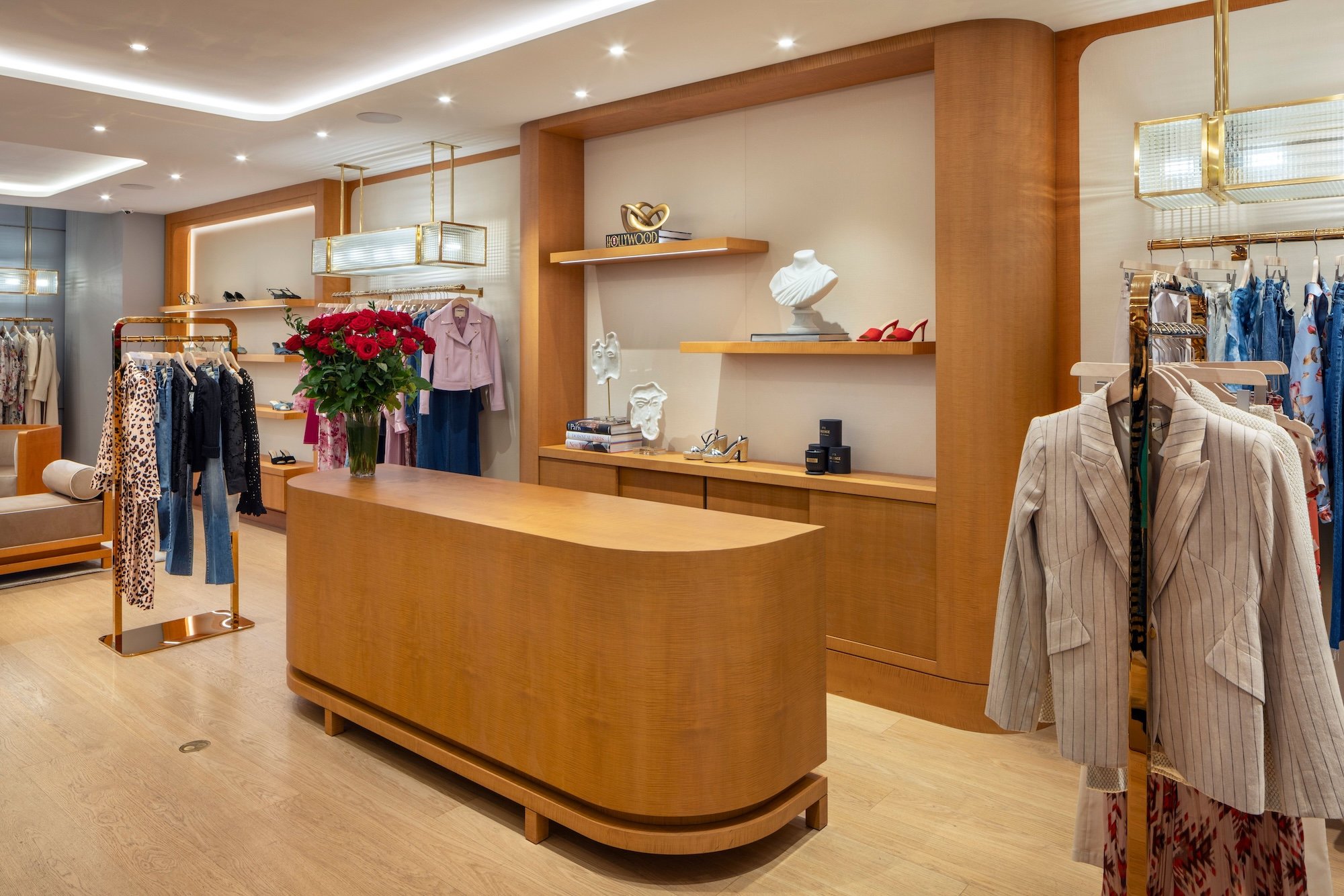
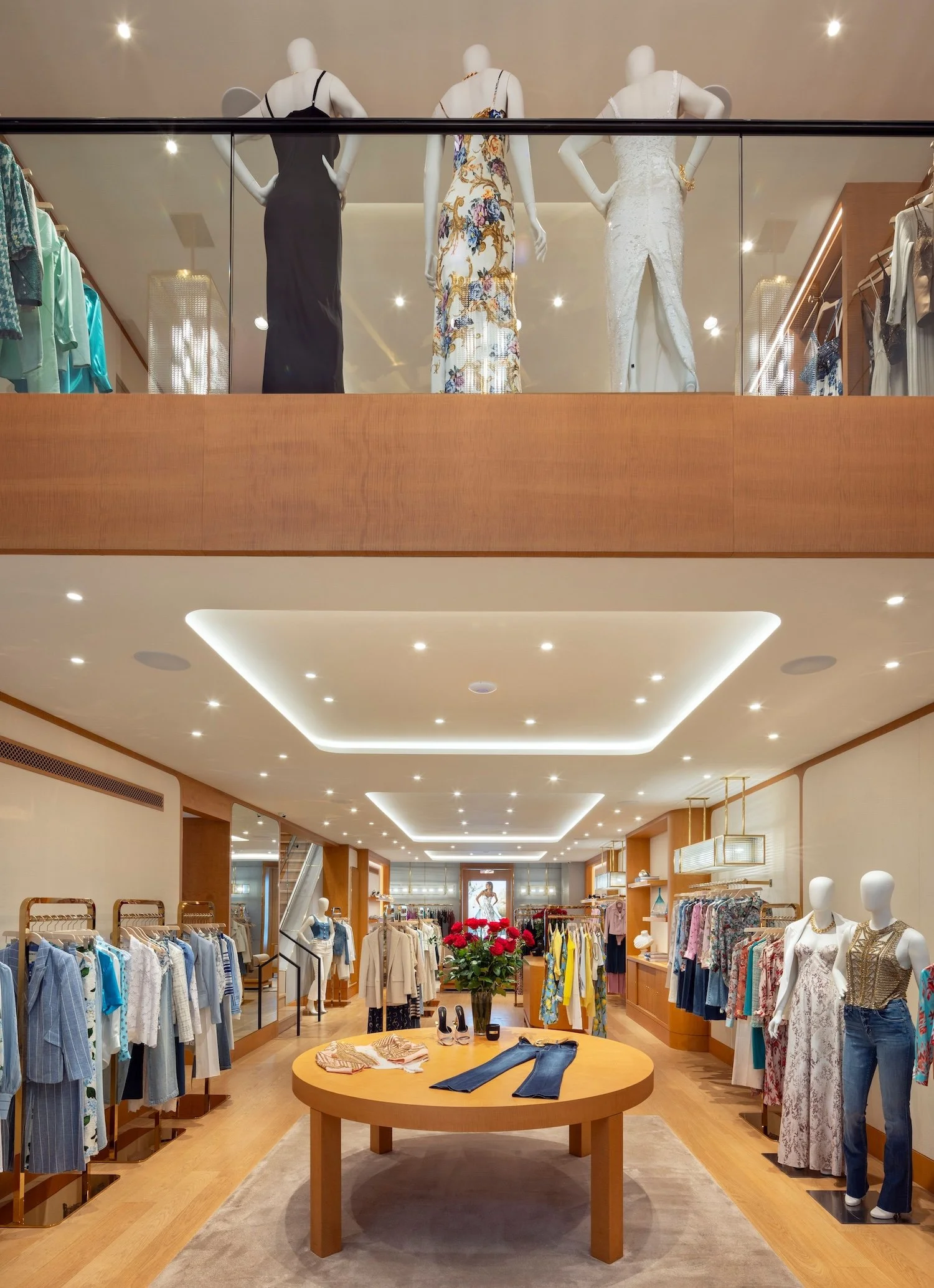
For L'AGENCE, the objective wasn't to create a flashy retail environment. The boutique needed to feel calm, comfortable, and inviting. Warm LED lighting softened the interior, carefully selected finishes added texture, and every display element was designed to complement the clothing rather than compete with it.
The result was a space that balanced West Coast ease with Parisian sophistication—a setting that encouraged customers to slow down and enjoy the experience. Understanding that intent influenced every decision I made behind the camera.
Photographing a Luxury Retail Space While It Was Open for Business
Working Around Customers
One of the biggest differences between retail architectural photography and many commercial photography projects is that the building doesn't stop operating just because you're there.
Throughout the day, customers continued shopping, browsing, and trying on clothing. Whenever someone entered a fitting room or walked into an area we planned to photograph, we paused. Rather than forcing the schedule, we worked around the natural rhythm of the store.
That required patience, flexibility, and a team that could adjust quickly. Every pause became an opportunity to prepare for the next composition so we could keep moving once the space opened up again.
Managing Manhattan Logistics
Photographing on Madison Avenue brings another set of challenges.
Traffic is constant. Delivery trucks double-park throughout the day. Weather changes quickly. Even when everything inside the building goes according to plan, the exterior photograph can become the most difficult image to capture.
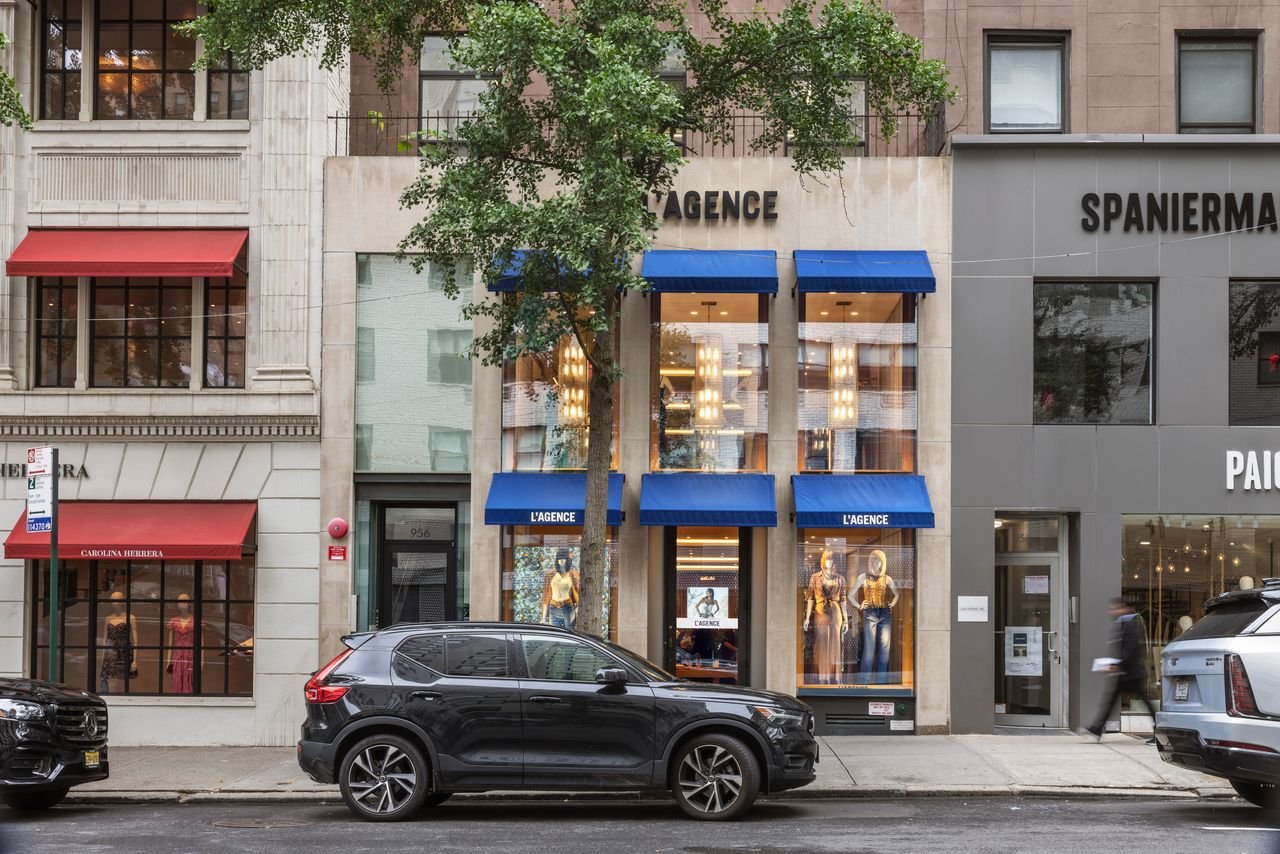
Late in the afternoon, after light rain had pushed the exterior shot to the back of my mind, an opening finally appeared. A few parked vehicles cleared, giving us a brief window before traffic filled the space again. Paul's designers stepped outside to help hold the area while I quickly made two exterior compositions.
Sometimes architectural photography comes down to preparation. Other times, it comes down to recognizing the opportunity when it appears. That short window saved me from returning before sunrise the next morning to photograph the storefront again.
Capturing 18 Images in One Day
By the end of the day, we had created eighteen finished compositions. That only happens because architectural photography is collaborative.
Paul, his wife Valerie, members of his design team, and I stayed one shot ahead throughout the day. While I photographed one composition, they were already preparing the next. Furniture was adjusted, styling was refined, and details were reviewed before I ever looked through the viewfinder.
When everyone works toward the same goal, the photography becomes far more efficient—and the final images become stronger because of it.
Translating Design Intent Into Photography
Every composition should answer a simple question: What is the architect trying to communicate?
That's what separates architectural photography from simply documenting a completed project. Every decision about composition, perspective, timing, and lighting should reinforce the original design intent.
Using Light to Create Atmosphere
The lighting throughout L'AGENCE played a significant role in defining the experience.
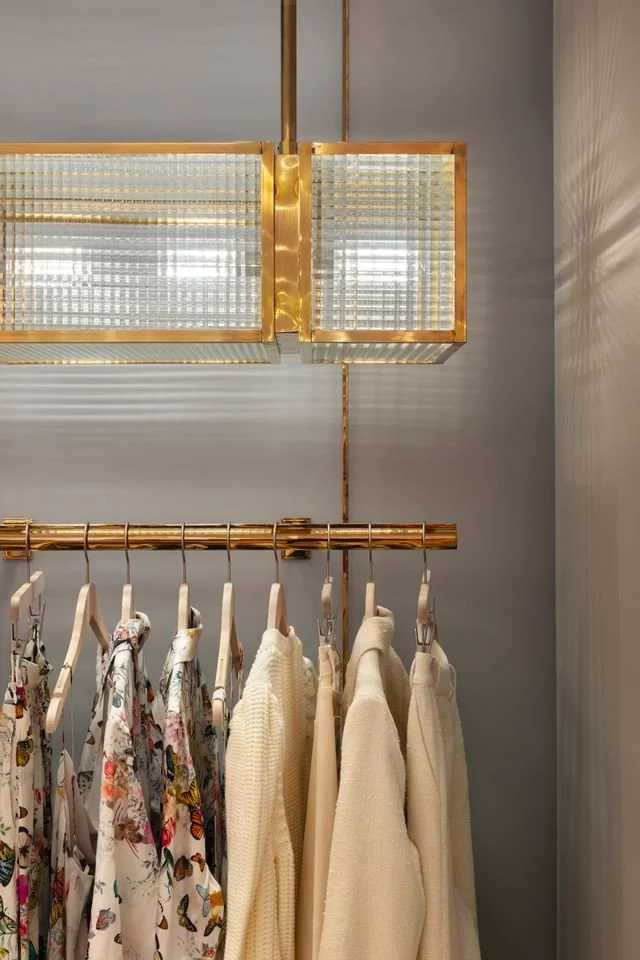
Warm LEDs created an inviting atmosphere that softened the architecture and emphasized the natural materials throughout the boutique. Rather than photographing the space as brightly as possible, the goal was to preserve that warmth and communicate how the store actually feels to someone walking through it.
Good architectural photography doesn't replace the architect's lighting design—it works with it.
Showing the Details That Matter
Architects often spend months refining details that visitors never consciously notice.
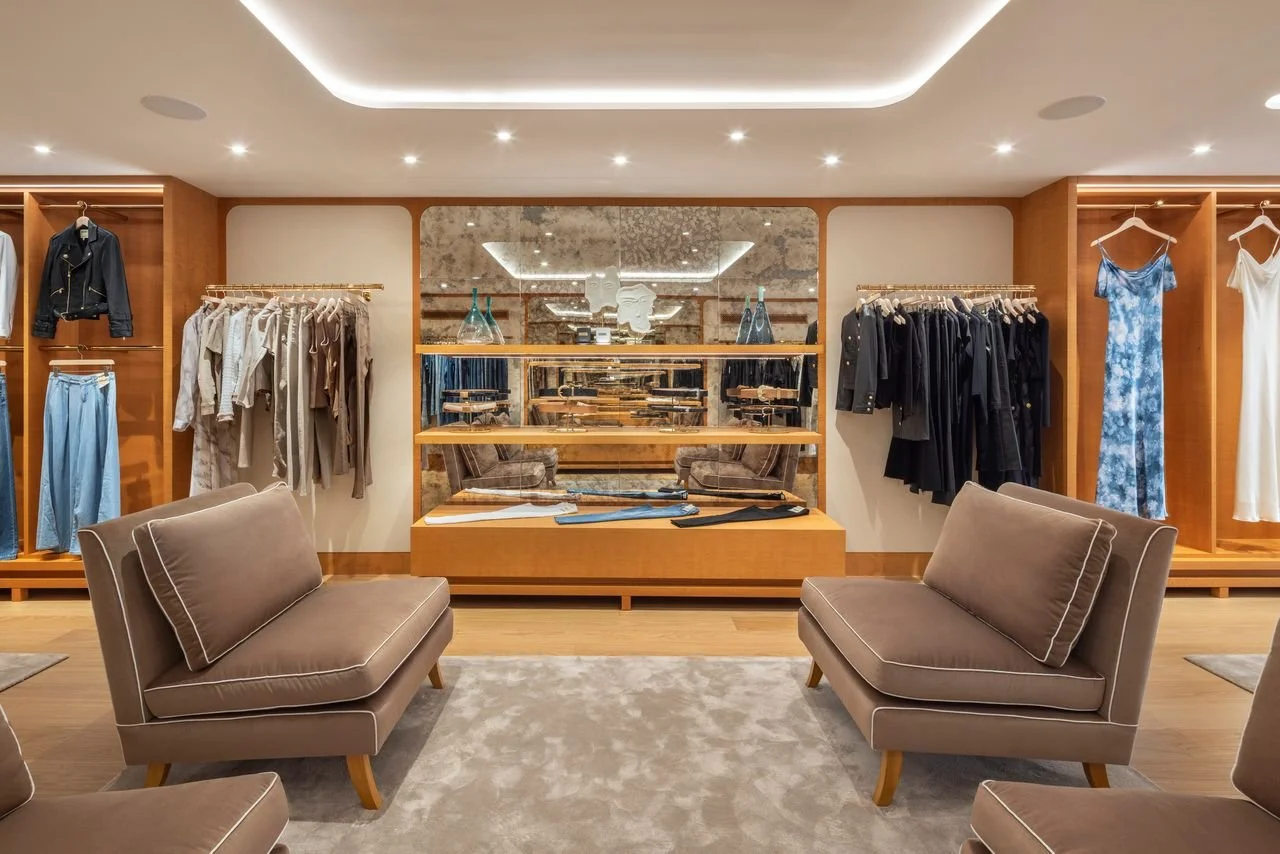
One example was the custom clothing bar, which included precisely spaced indentations every two inches to ensure garments hung consistently throughout the store. Another was the jewelry display cabinet near the back of the boutique. Originally designed without internal lighting, seeing it installed helped the design team decide that illumination would better showcase the materials.
These aren't details most shoppers think about, but they're exactly the kinds of decisions architects care about—and exactly the kinds of details architectural photography should preserve.
Photographing Through Reflection
Luxury retail spaces almost always include mirrors. They're beautiful design elements, but they're also one of the biggest technical challenges during a photo shoot.
One composition upstairs required photographing shelving directly through a large mirror, leaving me squarely in the middle of the reflection. Normally, that's something you try to avoid at all costs.
Fortunately, I trusted my digital technician, Thomas Seely. He carefully removed the reflection during post-production, making it appear as though I had never been there.
The experience reinforced something important. Architectural photography isn't just about getting everything perfect in camera. It's also about trusting the people around you and knowing when collaboration creates a better final result.
Why Architectural Photography Is More Than Documentation
People sometimes assume architectural photography is simply photographing a finished building. In reality, it's much closer to visual storytelling.
Every architect makes hundreds of decisions before construction is complete—about materials, proportions, circulation, lighting, and atmosphere. Good photography helps those decisions become visible.
For architects, those images become part of their portfolio, marketing materials, award submissions, and future client presentations. For developers and property owners, they communicate the experience of the space long after construction crews have left.
That's why photography for architects isn't about recording what exists. It's about translating design intent into imagery that continues working long after the project is complete.
The Results
Helping the Architect Refine Future Projects
This flagship location wasn't just an individual project.
It also became a testing ground for design ideas that Paul Bennett Architects would continue refining in future L'AGENCE locations. Details such as display systems and lighting decisions informed subsequent projects, giving the photography additional value beyond documenting a completed space.
Photography That Supports Long-Term Marketing
The completed photographs gave both the architect and the client a versatile library of images for marketing, presentations, and future business development. Just as importantly, the relationship continued.
Paul Bennett Architects has gone on to work with L'AGENCE on additional East Coast locations, and it's rewarding to know the photography continues supporting that ongoing collaboration.
Lessons I'll Carry Into Future Projects
Every project teaches you something. For me, L'AGENCE reinforced the importance of trusting the people you work with. The mirror composition reminded me that technology—and talented collaborators—can solve problems that once seemed impossible.
It also encouraged me to think differently about how clients experience a photo shoot. Ideas like using a director's monitor so architects can review images in real time are small improvements that can make future collaborations even better.
That's one of the things I enjoy most about architectural photography. Every project makes the next one stronger.
Final Thoughts
The best architectural photography doesn't ask people to admire a space. It helps them understand why someone designed it that way.
Projects like L'AGENCE succeed because they're collaborative. Architects, designers, contractors, stylists, and photographers all contribute to telling the same story from different perspectives.
When those perspectives align, the final images become more than documentation. They become an extension of the architect's original vision—images that continue communicating the design long after the project is complete.
If you're planning a retail, hospitality, or commercial project and want photography that communicates both the architecture and the experience of the space, I'd be happy to start that conversation with you.
Frequently Asked Questions
What is retail architectural photography?
Retail architectural photography focuses on documenting retail environments in a way that communicates design intent, lighting, materials, spatial relationships, and the customer experience. Rather than simply showing products or displays, it tells the story of how the architecture supports the brand.
How do you photograph an occupied retail space?
Photographing an active retail environment requires careful planning, patience, and flexibility. Shoots are coordinated around customers, staff, lighting conditions, and business operations so the space can continue functioning while key architectural images are captured.
Why do architects hire architectural photographers instead of commercial photographers?
Architectural photographers understand how to communicate design intent through composition, perspective, light, and materiality. The resulting images help architects showcase completed work for portfolios, award submissions, publications, marketing, and future business opportunities.
What makes photographing luxury retail interiors different?
Luxury retail spaces are designed to create a specific atmosphere. Successful photography preserves the quality of light, materials, proportions, and customer experience while highlighting the architectural decisions that distinguish the space.
How can architectural photography support retail marketing?
Professional architectural photography provides long-term assets for websites, social media, public relations, presentations, leasing materials, and brand marketing. Strong imagery helps communicate both the architecture and the overall experience customers can expect when they visit the space.