Cleveland. A Photographer’s Playground
A Cleveland Architectural Photographer’s Perspective on Design, Development, and Creative Freedom
There’s a certain kind of freedom you feel working as a Cleveland architectural photographer. It doesn’t come from one thing. It’s not just the buildings. It’s not just the clients. It’s how the city works.
Cleveland’s architectural development starts with its industrial past.
In the late 1800s and early 1900s, this was one of the wealthiest cities in the country. The Rockefeller era didn’t just generate capital; it generated a city. Civic landmarks. Dense neighborhoods. Early high-rises and commercial corridors were built to last. The physical ambition of that period is still visible in the bones of what Cleveland is today.
When the industry declined, the city didn’t just lose population. It was left with an enormous physical framework — underutilized, yes, but intact. Buildings with real bones. Land with real scale. Infrastructure that other cities would have demolished and forgotten.
That’s what makes the architecture in Cleveland so interesting to document.
Development in Cleveland isn’t starting from zero. It’s working with what already exists. And that creates a different kind of architectural conversation — one about interpretation, reuse, and what a building can become when it’s given a second life with genuine creative license.
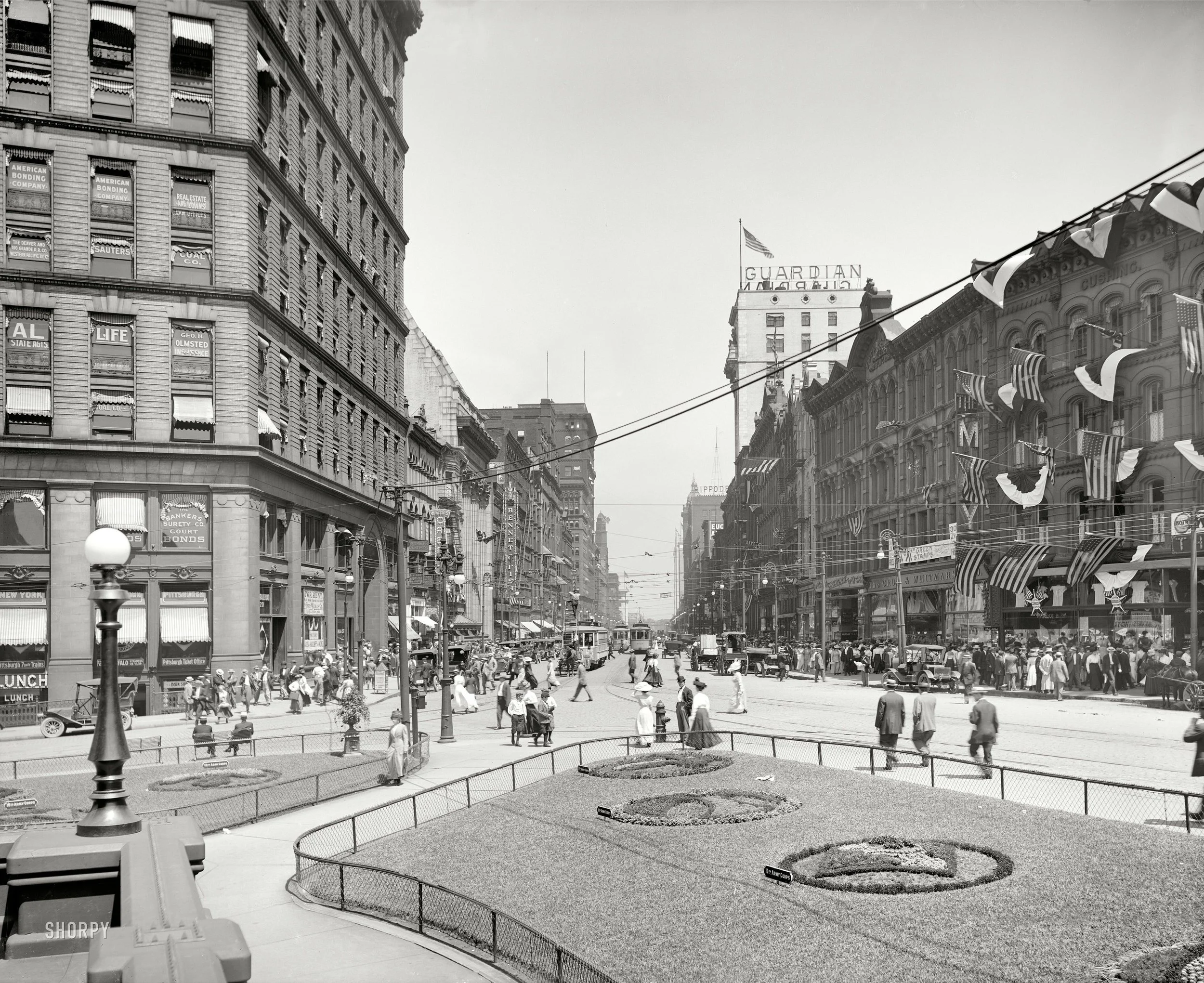
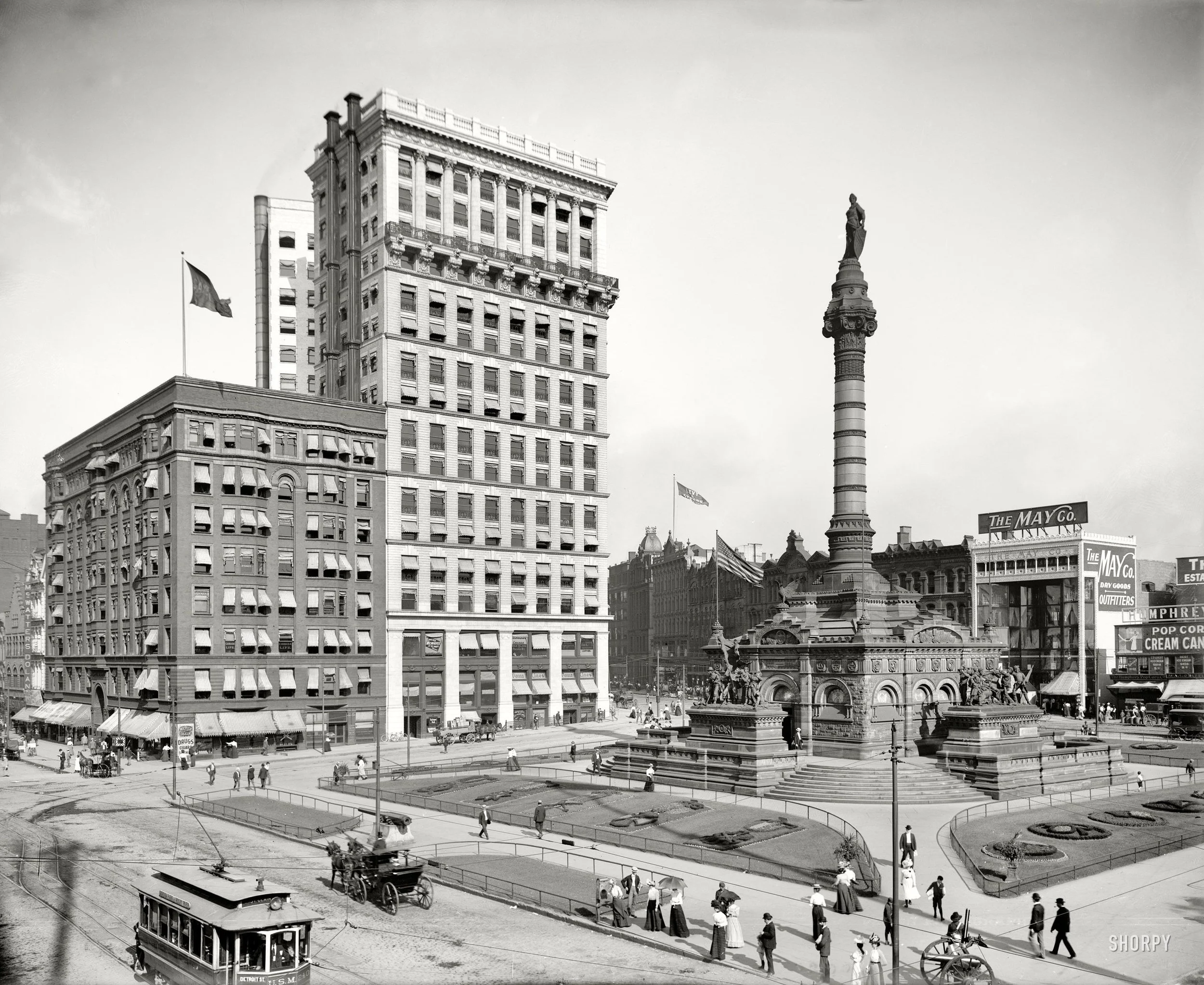
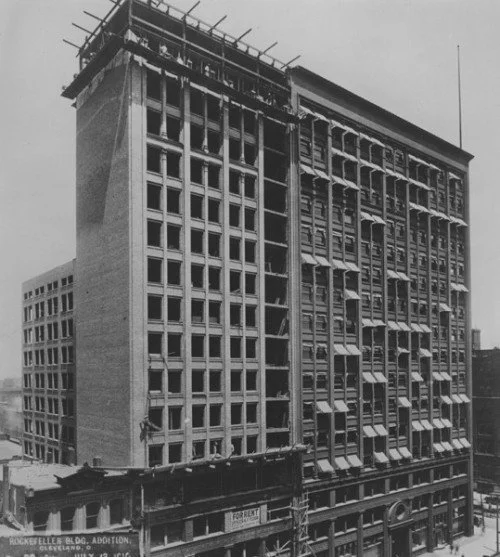
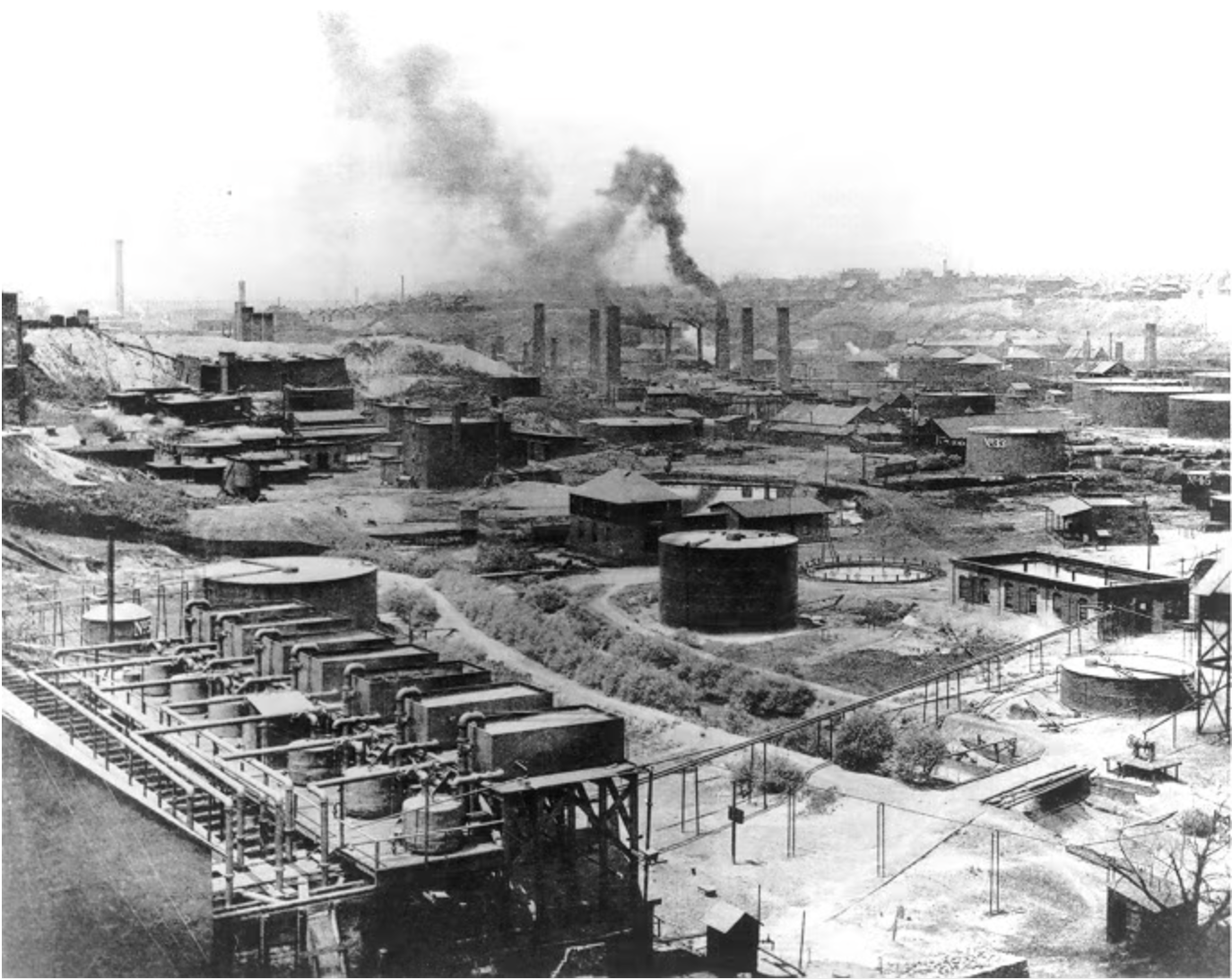
Cleveland Architecture: Built on Industry, Designed for Reinvention
I’ve had the opportunity to work alongside some of the most thoughtful architecture firms working in this city right now — Vocon, Bialosky, HSB Architects + Engineers, Bostwick Design, DS Architecture — each bringing a different perspective on what Cleveland architecture can be. And what I’ve noticed across all of them is something that doesn’t get talked about enough:
Cleveland operates differently from most major markets. There’s a level of alignment here among developers, architects, the city, philanthropic foundations, and organizations actively shaping public space that creates momentum rather than friction. Projects move because people are working toward the same thing, not competing over it.
Through organizations such as Greater Cleveland Partnership, LAND Studio, Cleveland Neighborhood Progress, and the City’s own Department of Economic Development, Cleveland has built a development ecosystem where the public sector, private capital, and community-level organizations aren’t just coexisting, they’re coordinating. Risk gets shared. Long-term impact gets prioritized. Neighborhood organizations have real influence over how revitalization happens, which means development here tends to be distributed rather than concentrated, connected to actual community needs rather than imposed on them.
For a Cleveland architectural photographer, that environment means ideas can move. Projects that would stall in fragmentation elsewhere find traction here.
And there’s something else — harder to quantify but impossible to ignore: Space.
Physical space. Creative space. Financial space. You can take on projects here, entire blocks, adaptive reuse, unconventional building types — that would be significantly more constrained in tighter markets. That changes the kind of work that gets built. And it changes what architectural photography in Cleveland entails.
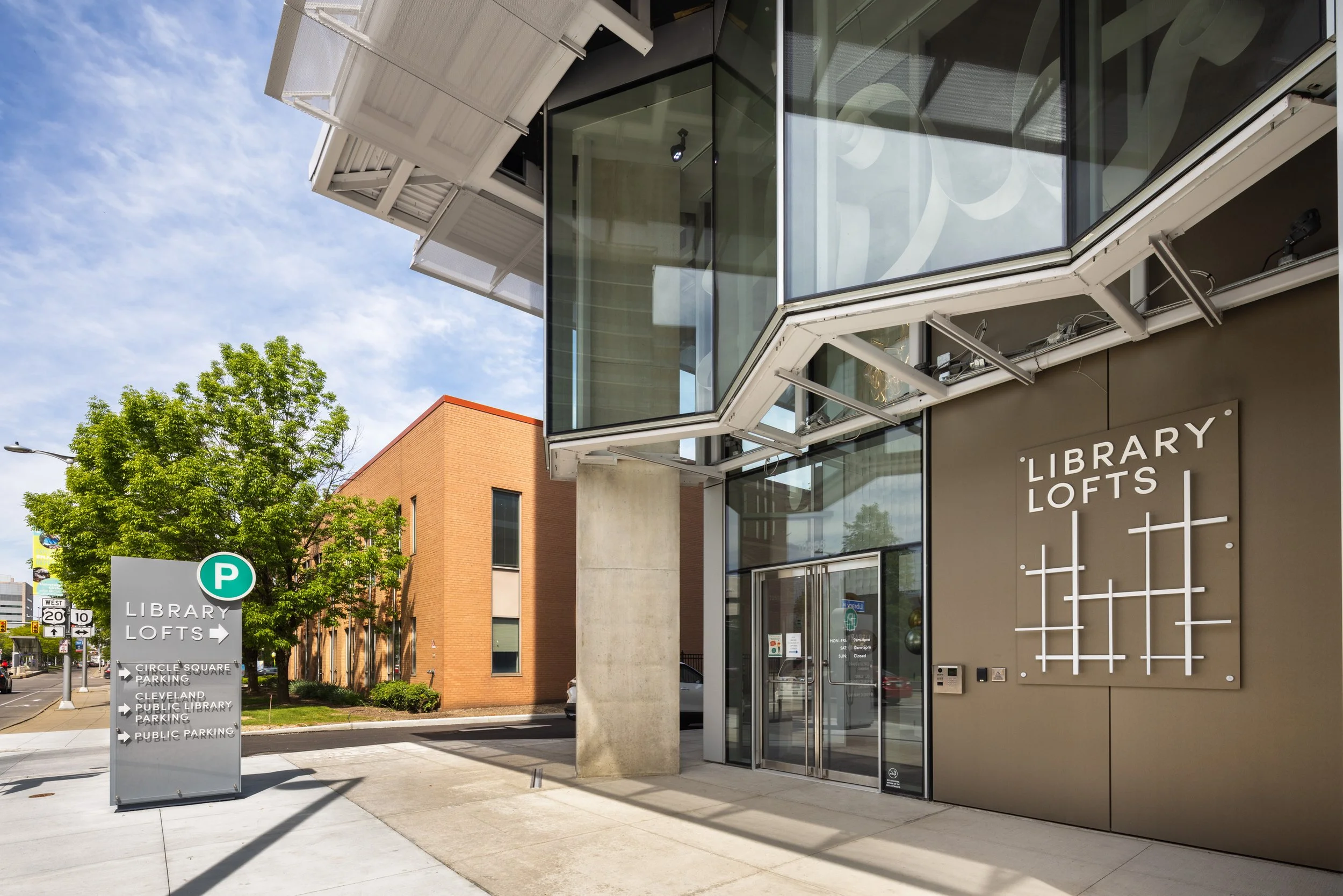
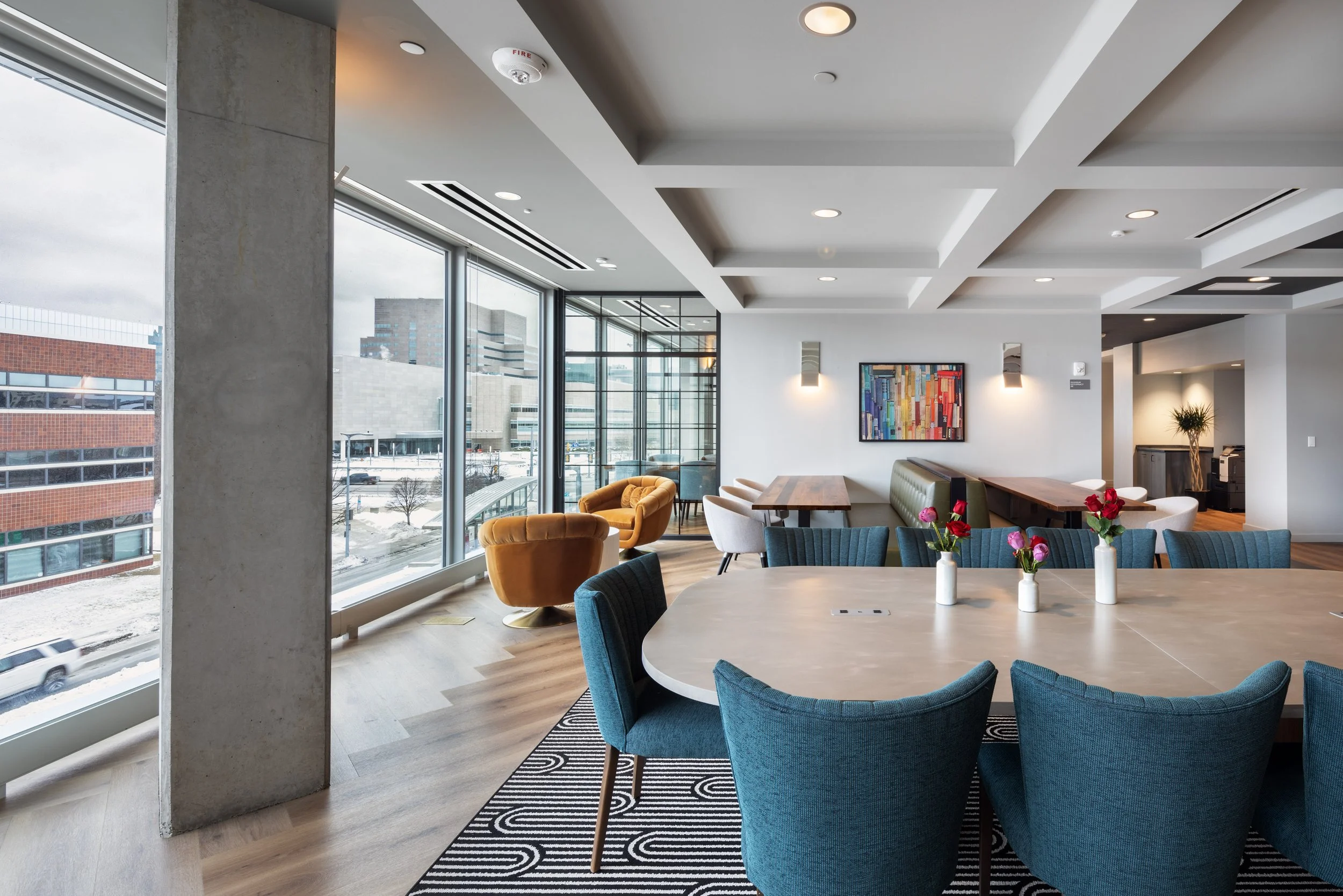
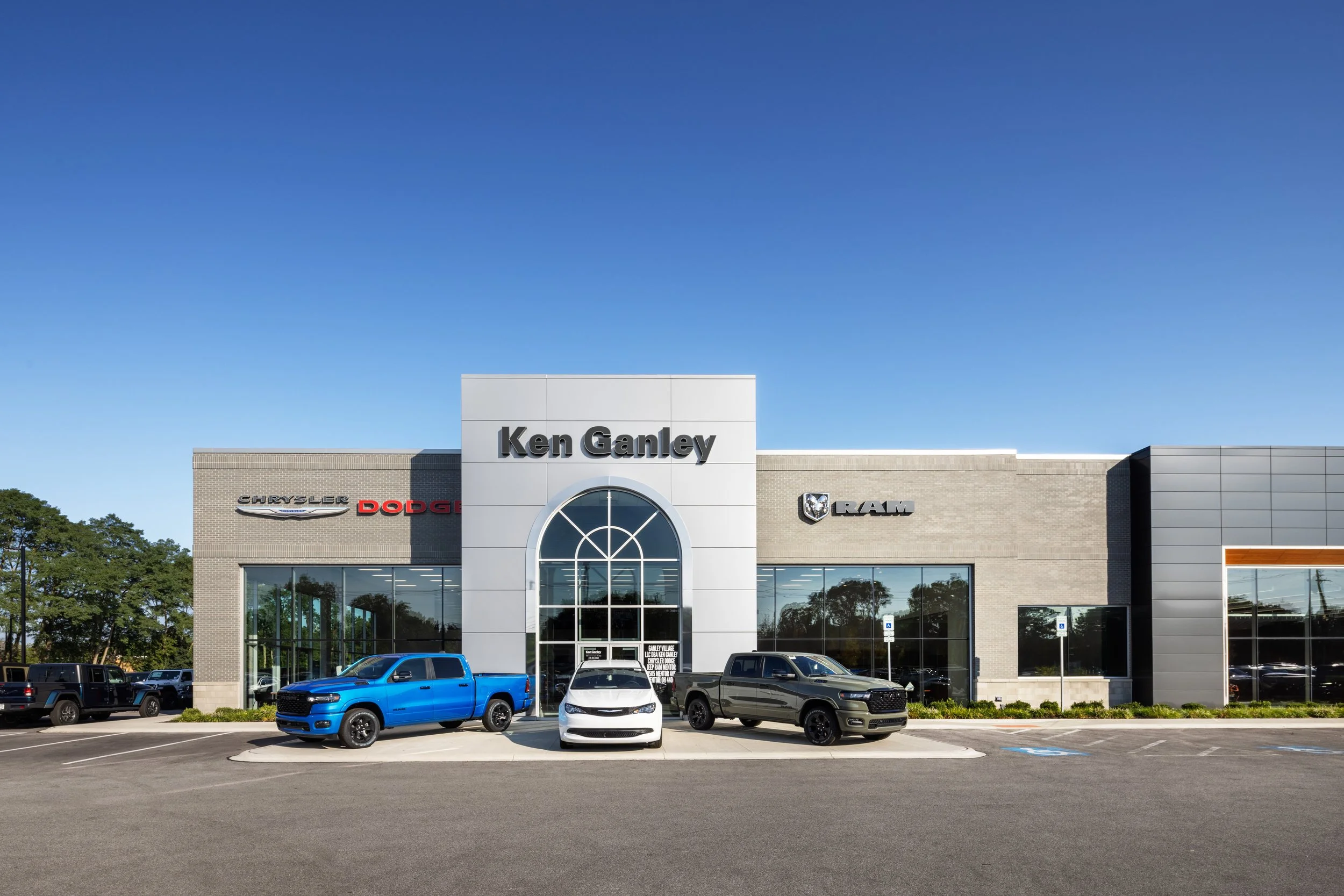
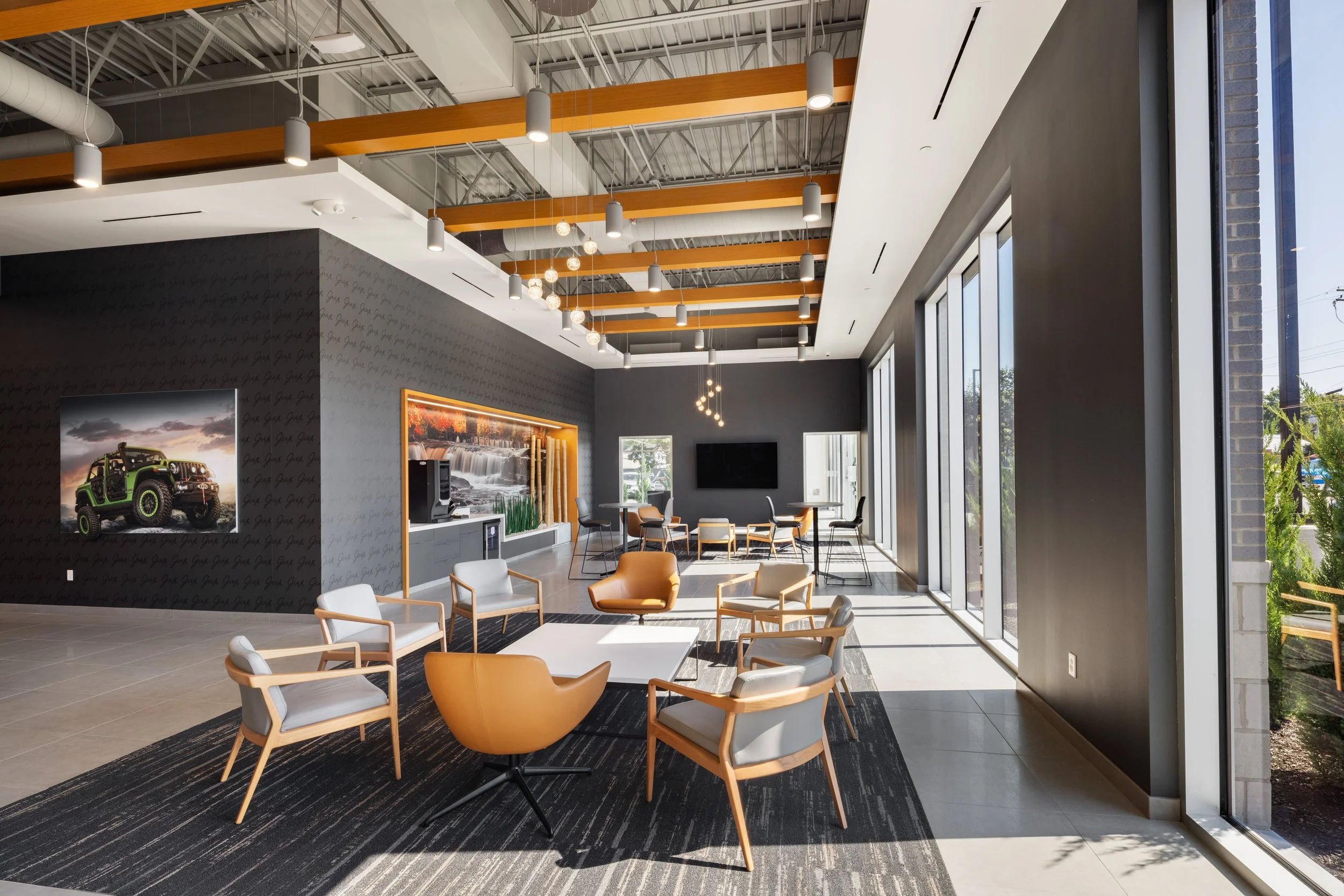
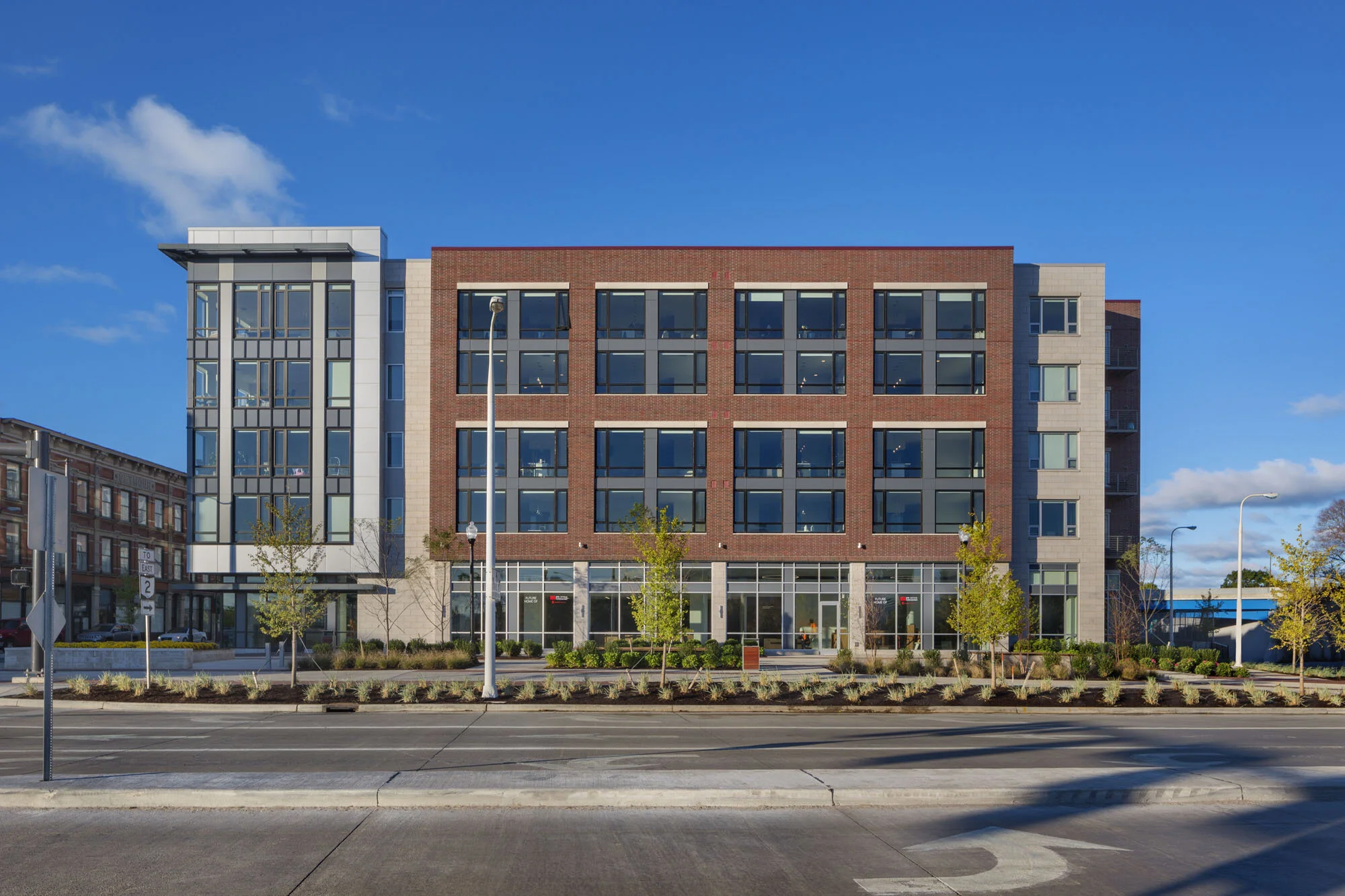
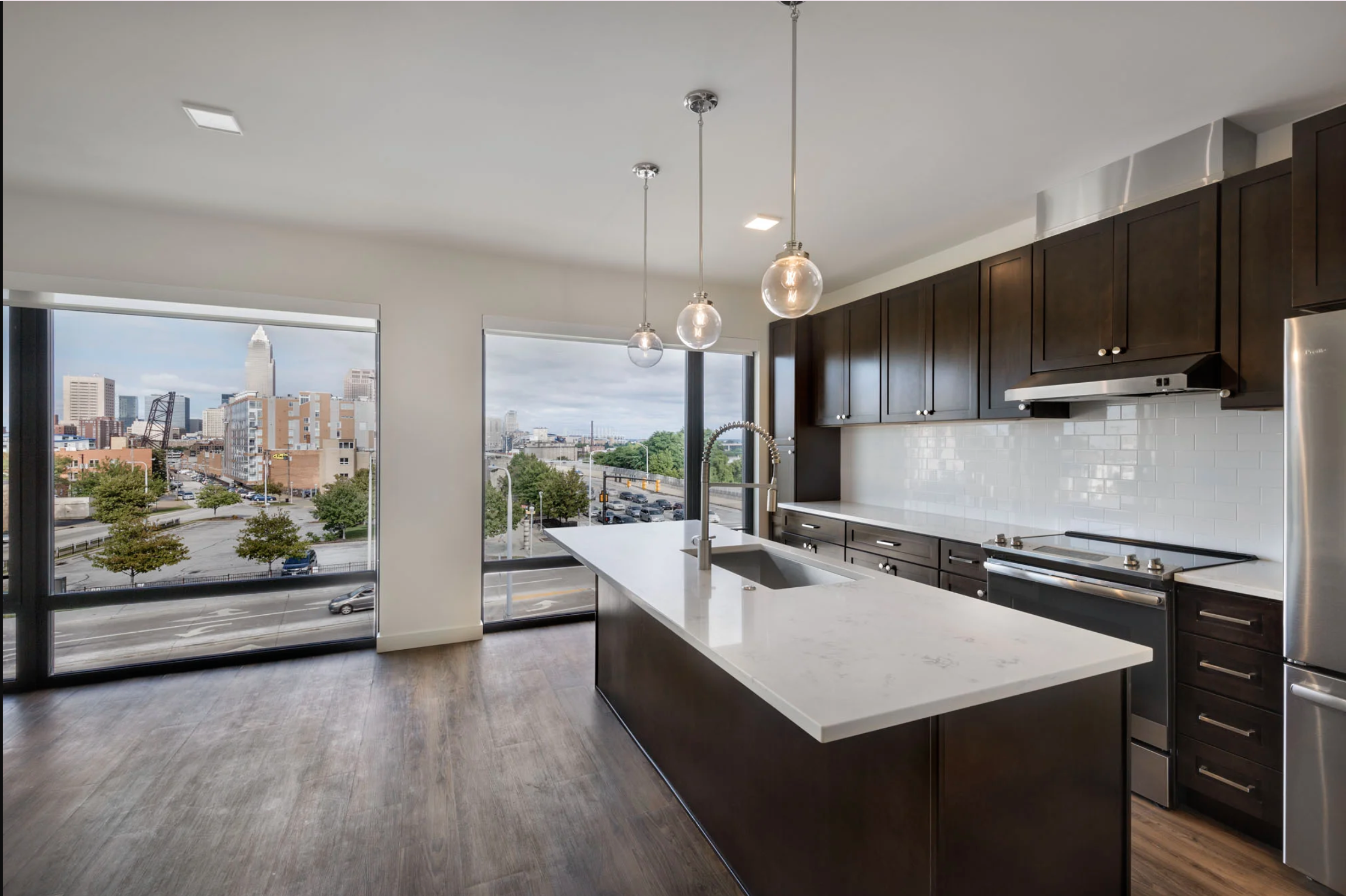


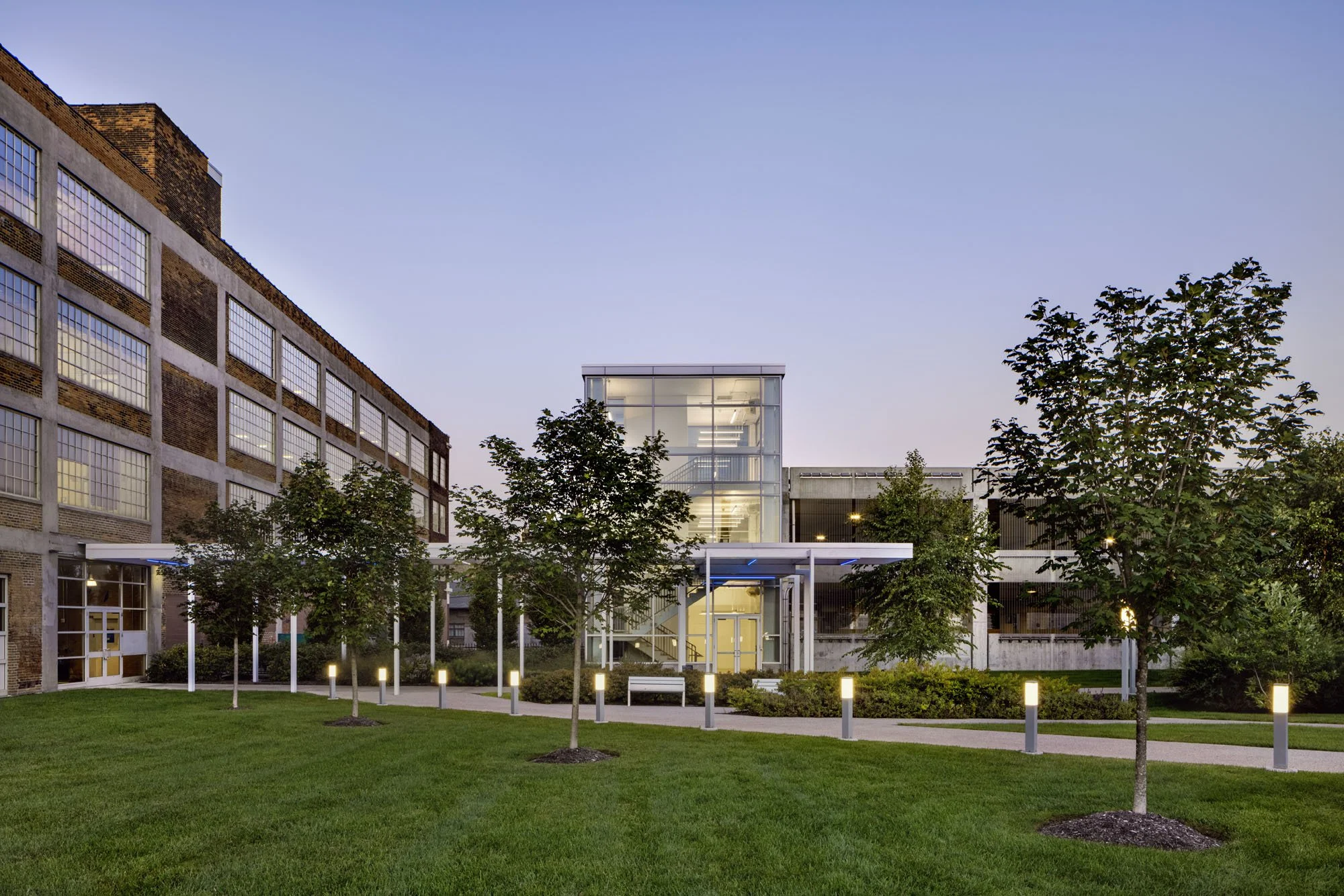
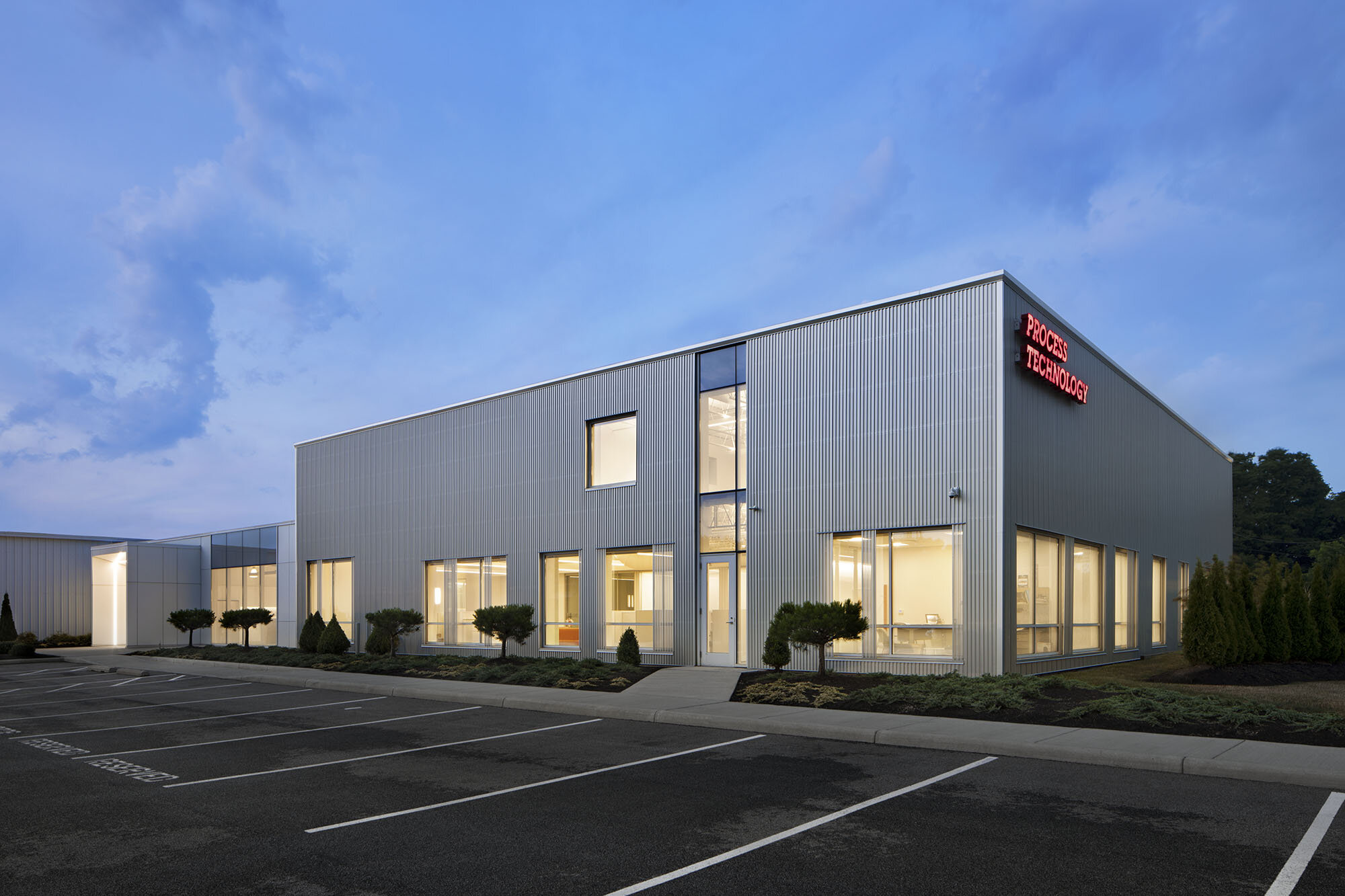
A City That Actually Lets You Build
One of the things that distinguishes Cleveland’s architectural moment is how fully design has moved into the public realm.
For-profit and non-profit organizations collaborate at the intersection of public art, urban design, infrastructure, and civic experience. They don’t just support projects, they actively shape how the city feels. Underutilized spaces become activated environments. Art gets integrated into infrastructure. Neighborhoods, districts, and institutions get connected rather than isolated.
What that produces isn’t just aesthetically interesting architecture. It’s a city that feels curated rather than accidental. Where everyday spaces carry intentional design decisions. Where the line between building and public life blurs.
For a Cleveland photographer, that means the work is rarely just about a single structure. Buildings here exist within a larger system — and the best images reflect that. There are so many projects that embody the “Cleveland Model”.
The Role of Relationships
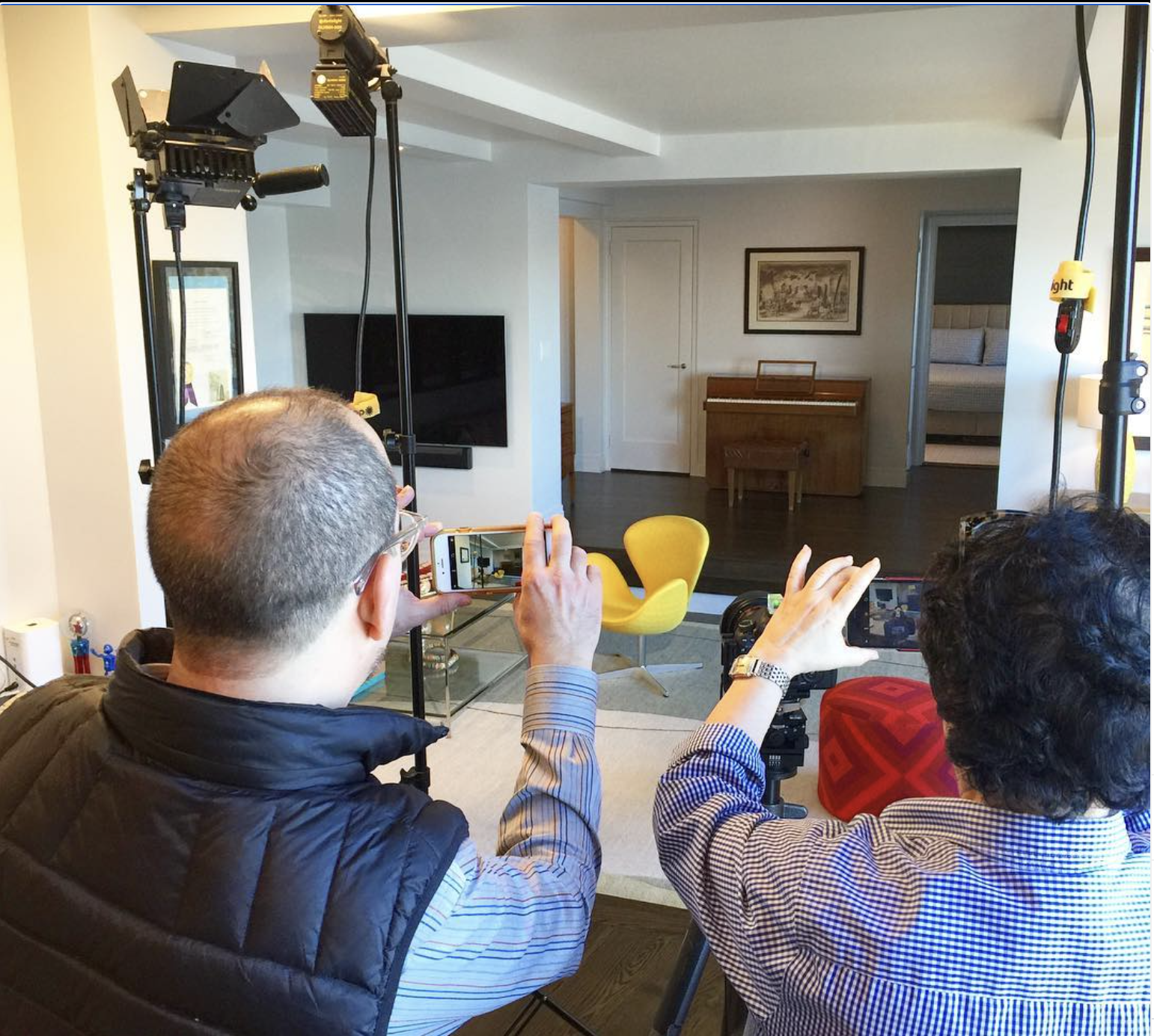
It’s all about the people. Building a trusting, loyal relationship with clients and my team is my personal ethos. I’ve always approached projects with a simple mindset: say yes. Yes to ambitious shot lists. Yes to early mornings and long days. Yes to expanding the vision in real time when the work calls for it. When clients and my team trust each other and are given room to participate in the process, the work evolves in real time, and that’s where the magic happens.
Why Cleveland Works for Architecture and Photography
Cleveland isn’t trying to be something else. It’s not following a template or performing a version of itself for outside audiences. It’s a city actively reworking its existing fabric, investing in new ideas, and creating space for architects and developers to experiment with building types and programs that wouldn’t get the same traction elsewhere.
There’s a strong connection between architecture, public space, and community here. You feel it in how projects come together — the number of stakeholders who are genuinely aligned around a shared outcome — and in how buildings are experienced once they’re complete.
For a Cleveland architectural photographer, that means every project carries more than visual weight. It carries context. History. Civic intention. The accumulated momentum of a city that’s been building something for a long time and is finally seeing it come together.
The Playground
“When I think about why Cleveland stands out, it comes back to one idea: it’s driven by curiosity. Driven by curiosity about new uses. About new forms. About collaboration between the people who design buildings and the people who shape cities.” - David Joseph
That curiosity creates a creative environment that’s genuinely hard to replicate, not because the work is easy, but because there’s real room to create something that matters.
Ready to have some fun with your next project? Let’s connect.
David Joseph is an award-winning architectural photographer in Cleveland, specializing in architectural photography for architects, developers, and design firms.He creates high-impact images for award submissions, publications, leasing, and marketing—capturing not just how a project looks, but how it functions within its environment. Known for a collaborative, “yes-first” approach, David delivers cohesive visual narratives that elevate portfolios and communicate true design intent.
Frequently Asked Questions About Architectural Photography in Cleveland
Why is Cleveland a strong market for architectural photography?
Cleveland offers a unique mix of adaptive reuse, new development, and public-private collaboration, creating a wide range of architectural projects that require thoughtful documentation and storytelling.
What types of projects require architectural photography?
Architectural photography is commonly used for mixed-use developments, commercial buildings, office interiors, healthcare facilities, and retail environments.
How is architectural photography different from real estate photography?
Architectural photography focuses on design, materials, and spatial experience, while real estate photography is typically focused on selling or leasing a property quickly.