Why Architectural Photography Is a Problem-Solving Practice
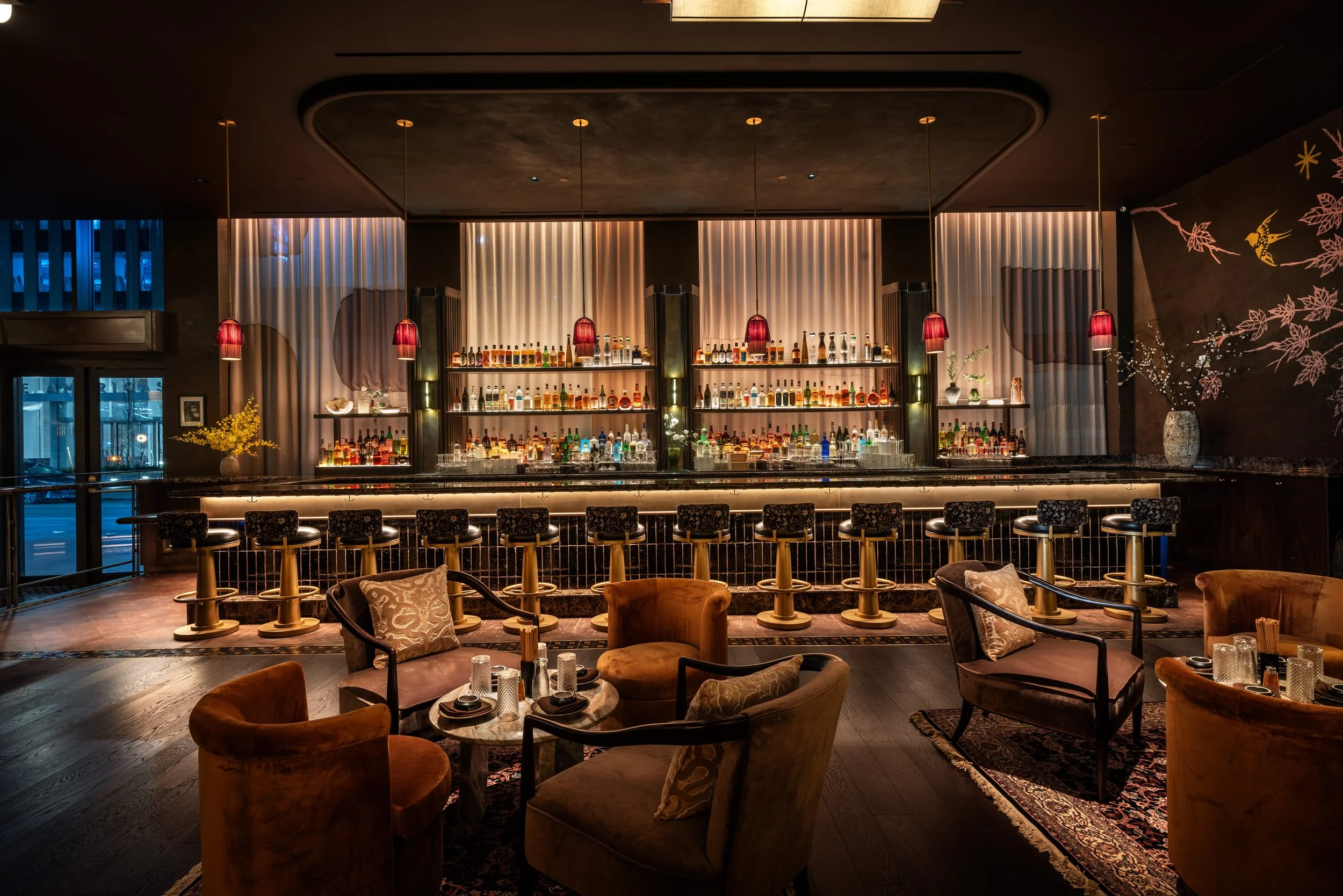
I have always liked solving problems.
It is probably why I relax with the New York Times crossword. I like looking at a set of clues, figuring out what fits, and slowly watching the whole thing come together. I do the same thing when I listen to live music. Part of my brain is enjoying the performance, and another part is trying to understand how all the pieces work.
Architectural photography is not that different.
Every project gives me a new puzzle: a building, a client brief, changing light, people, weather, reflections, a shot list, and a limited amount of time. The job is to make all of those things work together until the photograph feels simple.
That is what I love about professional architectural photography. The finished image may look effortless. Getting there usually is not.
Why Is Professional Architectural Photography a Problem-Solving Process?
A building does not move, but almost everything around it does.
The sun moves. Clouds come and go. People enter the frame. Cars park where you do not want them. Lights turn on and off. Reflections shift. A space that looked perfect during a scout may feel completely different when you return with a camera.
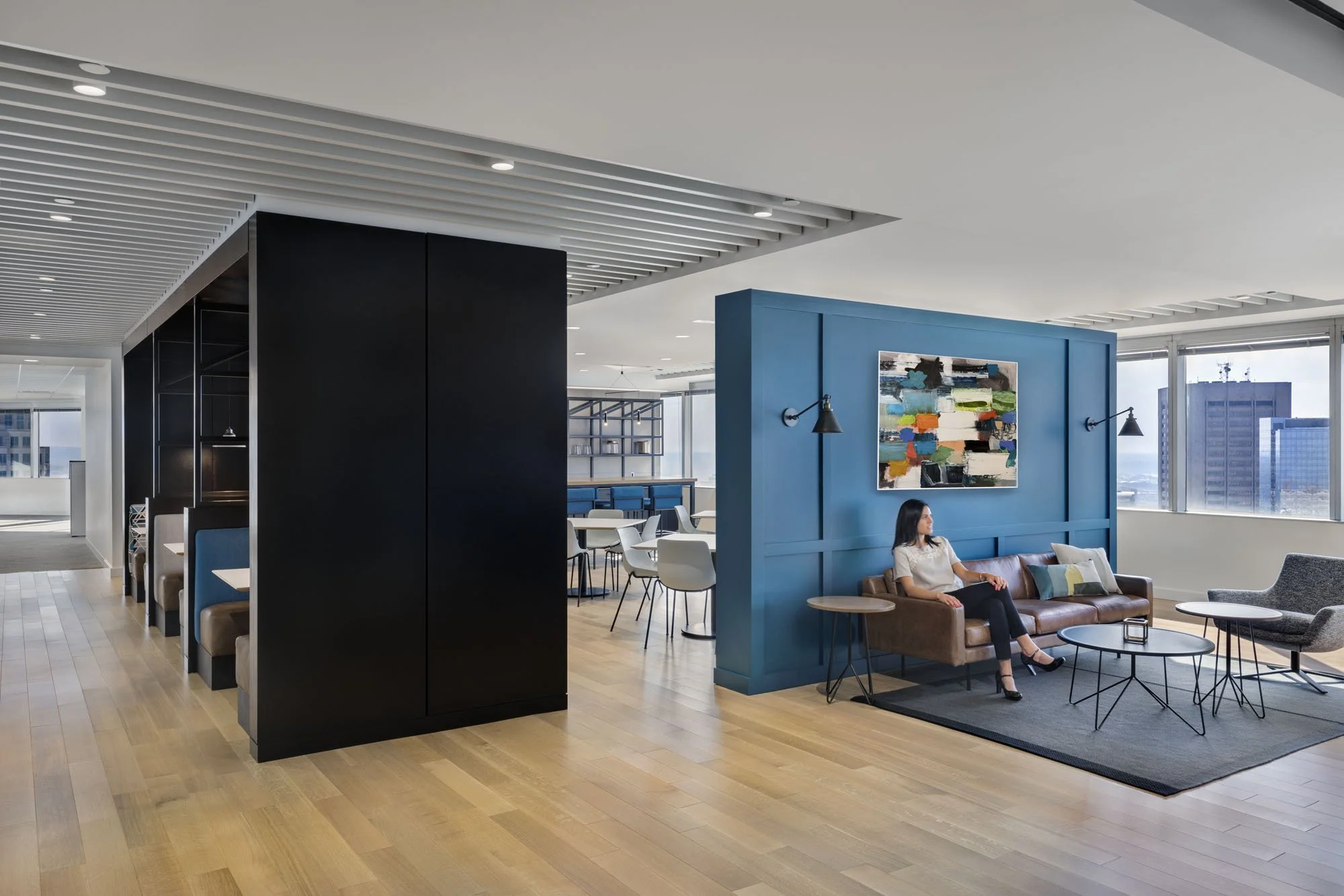
At the same time, the client has specific goals. An architect may want to show materials and structure. A developer may need images that communicate amenities and experience. A manufacturer may care about the glazing system.
My job is to take those needs and solve for the strongest possible set of images.
How Does an Architectural Photographer Decide What Matters Most?
The first step is listening.
Before I start photographing, I want to understand why the client cares about the project. What are they most proud of? What was difficult to accomplish? Which materials matter? How will the images be used?
A shot list creates priorities and makes sure the photographs needed for websites, awards, presentations, publications, leasing or marketing are covered.
But the shot list is only the beginning.
Start With the Client’s Priorities
Some clients know exactly what they want. They may have every important view planned and know where each image will fit into their marketing. Others want a broader library to work with later.
Both approaches can work.
If I know why an image matters, I can make better decisions about composition, light, timing and how much time to spend refining it.
That collaboration is a big part of being an architectural photographer for architects and design teams. The client knows the project better than anyone. I know how to translate those priorities into photographs.
Then Look Beyond the Shot List
I also believe in leaving room for discovery.
Sometimes the strongest photograph is a view nobody planned. Maybe the light suddenly reveals a material in a new way. Maybe a person moves through the space at exactly the right moment. Maybe shifting the camera ten feet changes the entire relationship between the building and its context.
I want clients to get what they asked for, but I also want to give them the photograph they did not know they needed.
How Do Light and Timing Change an Architectural Photograph?
Light is one of the biggest variables in commercial architectural photography.
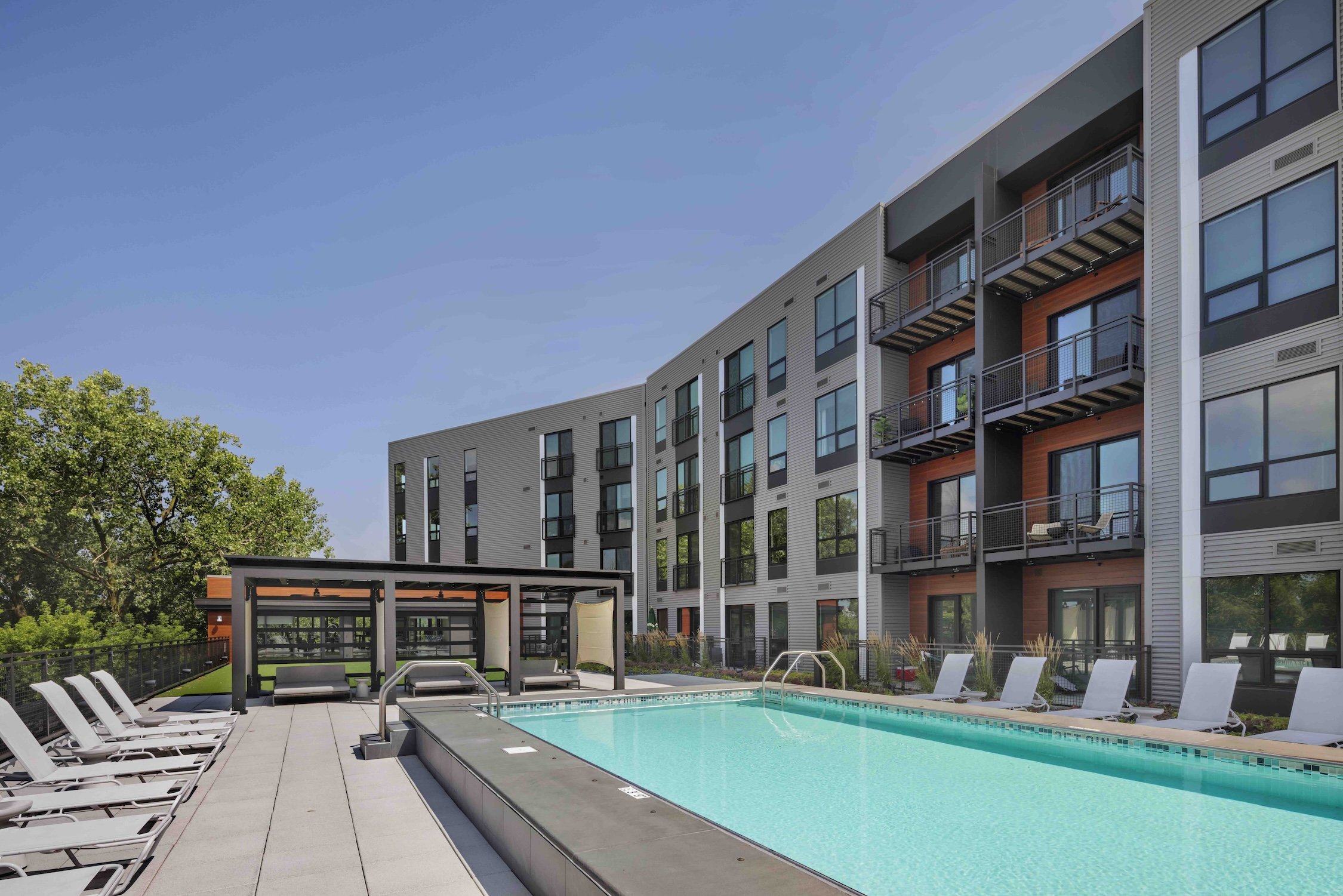
A building can look completely different at 8 a.m., noon and dusk. Some façades need direct light to reveal depth. Others work better when the light is softer. Glass may reflect the sky beautifully at one time of day and become distracting an hour later.
Interior spaces create another set of decisions. Daylight may be central to the design, or the space may not come alive until the architectural lighting is on.
You have to know what you are waiting for.
Some Buildings Need More Than One Time of Day
Clients sometimes ask, “Can we do dawn and dusk?”
My instinct is to say yes and then figure out what the schedule has to look like.
A daytime image may show the building clearly, while a dusk image captures warm interiors against a cooler sky. Each communicates something different.
That means planning the day around the light rather than simply moving down a shot list in order.
Planning Creates Flexibility
Good planning does not eliminate surprises. It gives you more ways to respond to them.
If weather changes, I want another composition ready. If a space becomes busy, maybe I shift to a detail. If the exterior light is not right yet, we move inside and come back later.
The schedule is a framework, not a prison.
How Do You Photograph Glass, Reflections and Complex Materials?
Glass is one of my favorite problems.
It can be transparent, reflective or both at the same time. It can show the landscape, the sky, the photographer or something completely unexpected depending on where the camera is positioned.
The same is true of polished metal, stone, wood and other materials with strong texture or sheen.
The Technical Problem Still Has to Serve the Design
It is easy to get caught up in solving a technical issue and forget why the material was used in the first place.
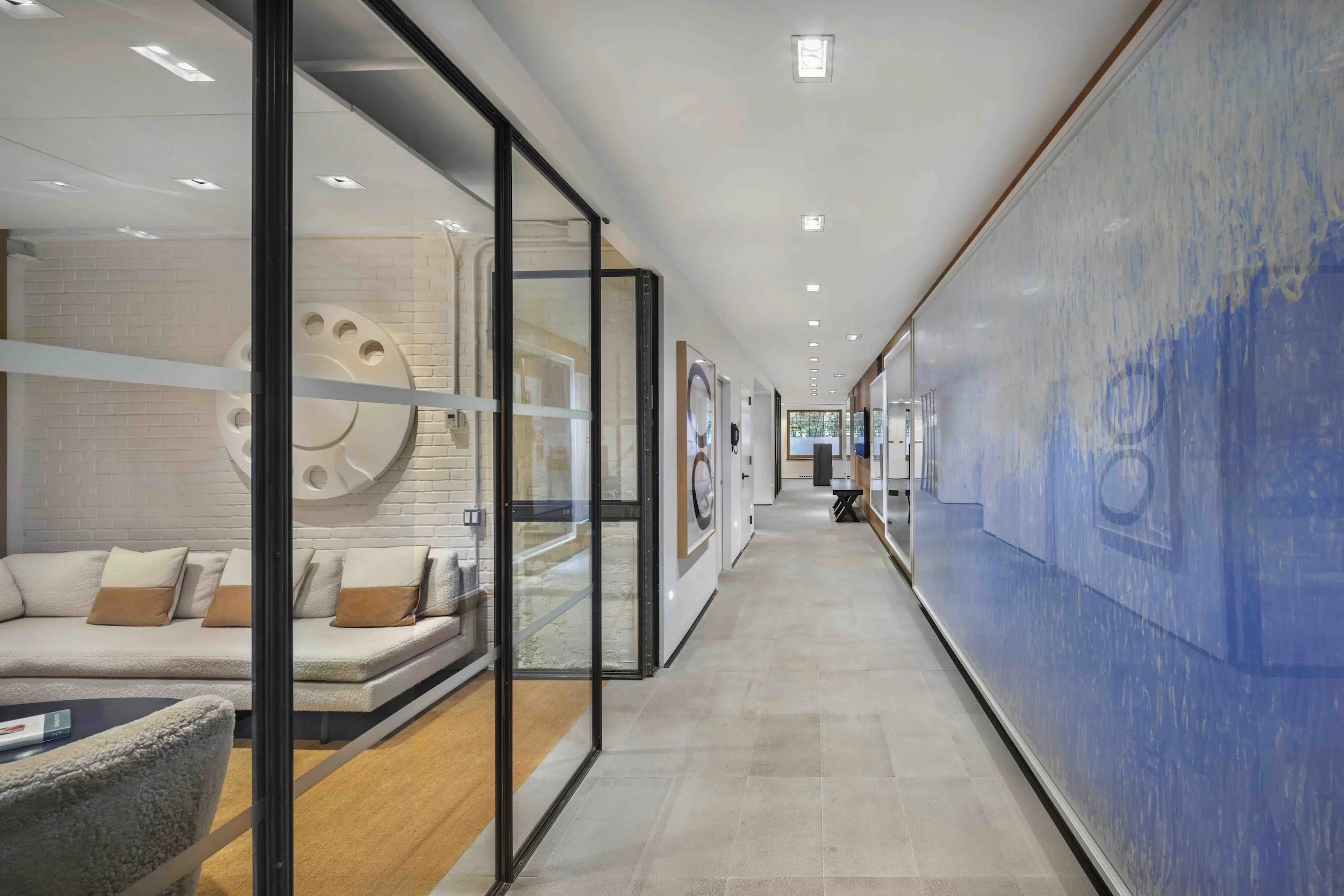
If an architect designed a transparent façade to connect interior and exterior spaces, my job is not simply to eliminate every reflection. I need to show the relationship the glass was intended to create.
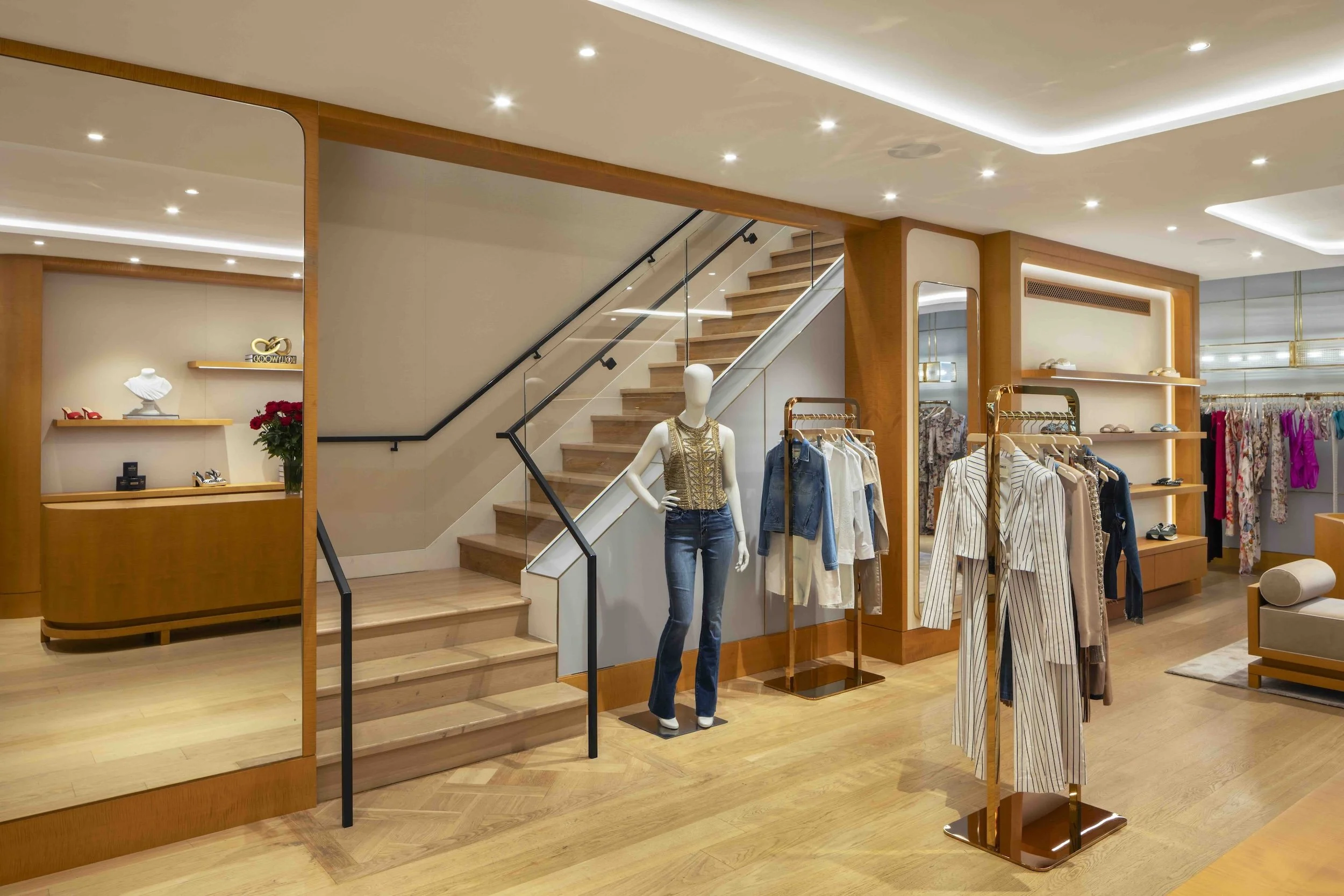
If wood brings warmth to a space, I want to preserve that texture. Technical control matters, but the final photograph still has to communicate design intent.
When Should People Appear in Architectural Photography?
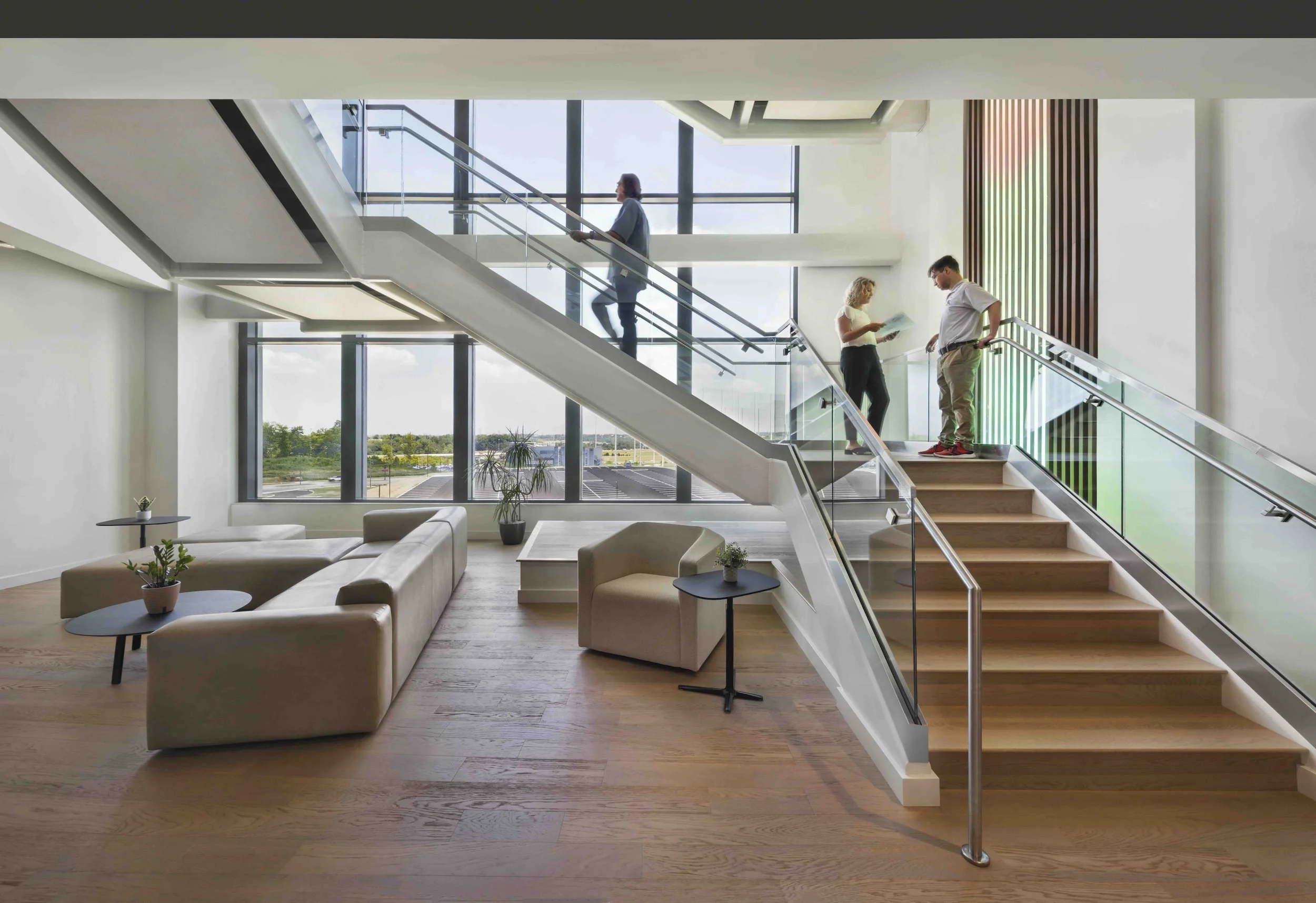
People can establish scale, show circulation and explain how a space is used.
But adding people is not automatically better.
If someone blocks the feature the architect wants to show, the photograph is weaker. If too many people compete with the composition, the architecture disappears.
People Are Part of the Composition
I think about people the same way I think about furniture, light and materials. They are part of the frame.
Sometimes I want movement. Sometimes I want one person in exactly the right place. Sometimes the strongest image is completely empty.
The question is always the same: what helps the viewer understand the space?
How Do You Solve an Ambitious Architectural Photography Shot List?
I have had clients ask for 35 shots in a day, variations with and without people, dawn and dusk images, and complex schedules across multiple spaces.
My answer is usually some version of yes.
But saying yes only works when the planning works.
Saying Yes Means Planning the Day
A large shot list requires prioritization.
Which image depends on morning light? Which exterior has to wait until dusk? Which spaces need people? When can a room be staged? Which images deserve the most time?
It also requires communication.
When clients are involved and giving feedback as we move through the day, we can make decisions together. Maybe one view is working better than expected, so we spend more time there. Maybe another does not need three variations after all.
That collaboration keeps the day moving and protects the most important images.
What Makes Commercial Architectural Photography Successful?
For me, success is not simply coming home with technically correct photographs.
The best images make the architecture clear, show what the client cared about, work for the intended marketing use and reveal something about the project that might not have been obvious at first glance.
That is why I still enjoy this work after decades of doing it.
Every building presents a different puzzle. The conditions change. The people change. The design changes.
And when all of those pieces finally fall into place, the photograph can feel incredibly simple.
That is the part I keep coming back for.